In today’s data-driven business environment, the ability to collect, analyze, and act on data insights is crucial for competitive advantage. Data analytics and business intelligence (BI) systems transform raw data into actionable insights that drive strategic decision-making, operational efficiency, and customer satisfaction. This comprehensive guide explores how businesses can implement effective data analytics strategies to unlock their data’s potential.
Understanding Data Analytics and Business Intelligence
Data analytics and BI are complementary disciplines that help businesses make informed decisions:
- Data Analytics – The process of examining data sets to draw conclusions and identify patterns
- Business Intelligence – Technologies and strategies for analyzing business information to support decision-making
- Data Science – The interdisciplinary field that uses scientific methods to extract insights from data
- Machine Learning – Algorithms that learn from data to make predictions and recommendations
Types of Data Analytics
Descriptive Analytics
Describes what has happened in the past. This includes reporting, dashboards, and data visualization that provide historical context for business performance.
Diagnostic Analytics
Explains why something happened by analyzing data to identify causes and relationships. This helps businesses understand the factors driving specific outcomes.
Predictive Analytics
Forecasts what is likely to happen in the future based on historical data and statistical models. This enables proactive decision-making and risk management.
Prescriptive Analytics
Recommends specific actions to achieve desired outcomes. This is the most advanced form of analytics, providing actionable recommendations for business optimization.
Building a Data-Driven Culture
Leadership Commitment
Successful data analytics implementation requires strong leadership support and clear communication about the value of data-driven decision-making.
Data Literacy Training
Invest in training programs to improve employees’ ability to understand, interpret, and use data effectively in their daily work.
Cross-Functional Collaboration
Break down silos between departments to ensure data flows freely and insights are shared across the organization.
Data Collection and Management
Data Sources
Identify and integrate data from multiple sources including customer interactions, sales transactions, website analytics, social media, and operational systems.
Data Quality Management
Implement processes to ensure data accuracy, completeness, consistency, and timeliness. Poor data quality leads to unreliable insights and poor decisions.
Data Governance
Establish policies and procedures for data access, security, privacy, and compliance. This ensures data is used responsibly and legally.
Technology Infrastructure
Data Warehouses
Centralized repositories that store structured data from multiple sources, optimized for analytical queries and reporting.
Data Lakes
Storage systems that hold raw data in its native format, including structured, semi-structured, and unstructured data.
Cloud Analytics Platforms
Cloud-based solutions that provide scalable computing power and storage for data processing and analysis.
Real-Time Processing
Stream processing technologies that analyze data as it’s generated, enabling immediate insights and responses.
Industry-Specific Applications
E-commerce and Retail
Analyze customer behavior, optimize pricing strategies, manage inventory, and personalize shopping experiences based on data insights.
Restaurant Management
Track sales patterns, optimize menu items, manage food costs, and improve customer service through data-driven insights.
Car Rental Services
Optimize fleet utilization, predict maintenance needs, analyze customer preferences, and improve pricing strategies.
Professional Services
Track project performance, analyze client satisfaction, optimize resource allocation, and identify growth opportunities.
Key Performance Indicators (KPIs) and Metrics
Financial Metrics
Revenue growth, profit margins, cost per acquisition, customer lifetime value, and return on investment (ROI).
Operational Metrics
Efficiency ratios, productivity measures, quality indicators, and process performance metrics.
Customer Metrics
Customer satisfaction scores, retention rates, churn rates, and Net Promoter Score (NPS).
Marketing Metrics
Conversion rates, click-through rates, engagement metrics, and campaign performance indicators.
Data Visualization and Reporting
Dashboard Design
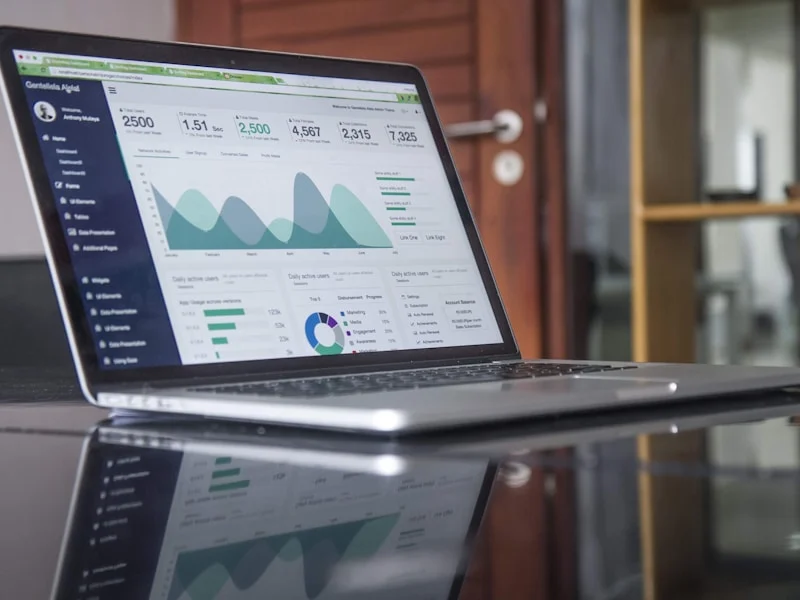
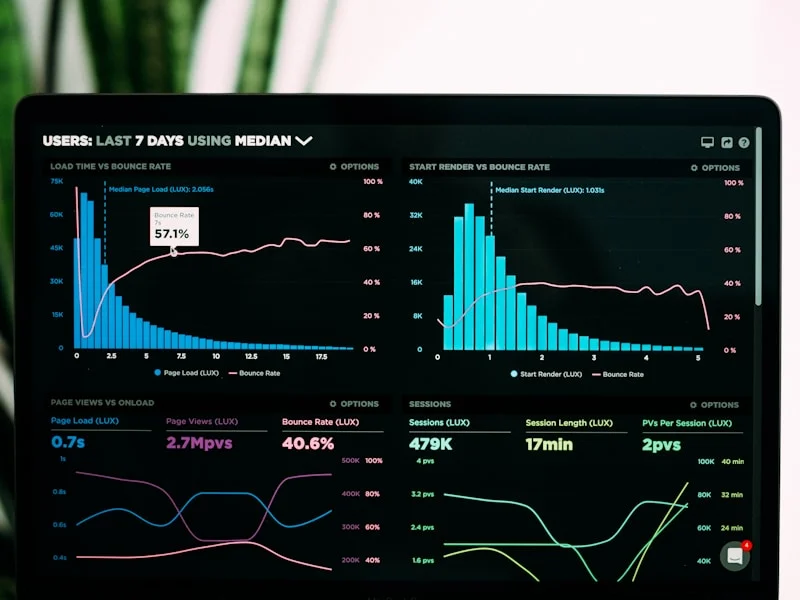
Create intuitive dashboards that present key metrics and insights in an easily digestible format for different user roles.
Interactive Reports
Develop self-service reporting tools that allow users to explore data and generate custom reports without technical expertise.
Visualization Best Practices
Use appropriate chart types, maintain consistent color schemes, and ensure visualizations are accessible to all users.
Advanced Analytics Techniques
Statistical Analysis
Apply statistical methods to identify patterns, correlations, and trends in data that inform business decisions.
Machine Learning Models
Implement algorithms that learn from data to make predictions, classify information, and automate decision-making processes.
Text Analytics
Analyze unstructured text data from customer feedback, social media, and other sources to extract insights and sentiment.
Predictive Modeling
Build models that forecast future outcomes based on historical data and current trends.
Data Security and Privacy
Data Encryption
Protect sensitive data through encryption both in transit and at rest to prevent unauthorized access.
Access Controls
Implement role-based access controls to ensure users only access data appropriate for their job functions.
Compliance Requirements
Ensure compliance with data protection regulations like GDPR, CCPA, and local privacy laws.
Audit Trails
Maintain detailed logs of data access and usage to support compliance and security monitoring.
Implementation Best Practices
Start Small and Scale
Begin with pilot projects focused on specific business problems, then expand successful initiatives across the organization.
Define Clear Objectives
Establish specific, measurable goals for analytics initiatives to ensure they deliver tangible business value.
Invest in Skills Development
Build internal capabilities through training, hiring, and partnerships with analytics experts.
Foster Data-Driven Decision Making
Encourage employees to base decisions on data insights rather than intuition or assumptions.
Common Challenges and Solutions
Data Silos
Break down organizational barriers and integrate data from different departments and systems.
Data Quality Issues
Implement data validation, cleansing, and monitoring processes to ensure reliable data.
Skills Shortage
Invest in training existing staff and consider partnerships with external analytics providers.
Technology Complexity
Choose user-friendly tools and platforms that match your organization’s technical capabilities.
ROI and Business Value
Quantifying Benefits
Measure the financial impact of analytics initiatives through improved efficiency, increased revenue, and cost savings.
Intangible Benefits
Consider non-financial benefits like improved decision-making speed, enhanced customer satisfaction, and competitive advantage.
Long-Term Value
Focus on building sustainable analytics capabilities that provide ongoing value rather than one-time insights.
Future Trends in Data Analytics
Artificial Intelligence Integration
Leverage AI and machine learning to automate analysis and provide more sophisticated insights.
Real-Time Analytics
Implement systems that provide immediate insights and enable real-time decision-making.
Edge Computing
Process data closer to its source to reduce latency and enable faster analysis.
Augmented Analytics
Use AI to enhance human analysis capabilities and make insights more accessible to non-technical users.
Getting Started with Data Analytics
At 4D.ma, we help businesses implement comprehensive data analytics and business intelligence solutions. Our approach combines technical expertise with business understanding to deliver insights that drive real results.
Our Data Analytics Services Include:
- Data strategy and architecture design
- Data integration and warehousing
- Dashboard and reporting development
- Advanced analytics and machine learning
- Training and ongoing support
Transforming Your Business with Data
“Data is the new oil, but only if you know how to refine it into actionable insights that drive business value.”
Implementing effective data analytics requires careful planning, the right technology, and a commitment to data-driven culture. Start by identifying your most critical business questions, then build the infrastructure and processes needed to answer them with data.
Ready to unlock the power of your data? Contact 4D.ma today to discuss how we can help you implement data analytics solutions that transform your business decision-making and drive sustainable growth.