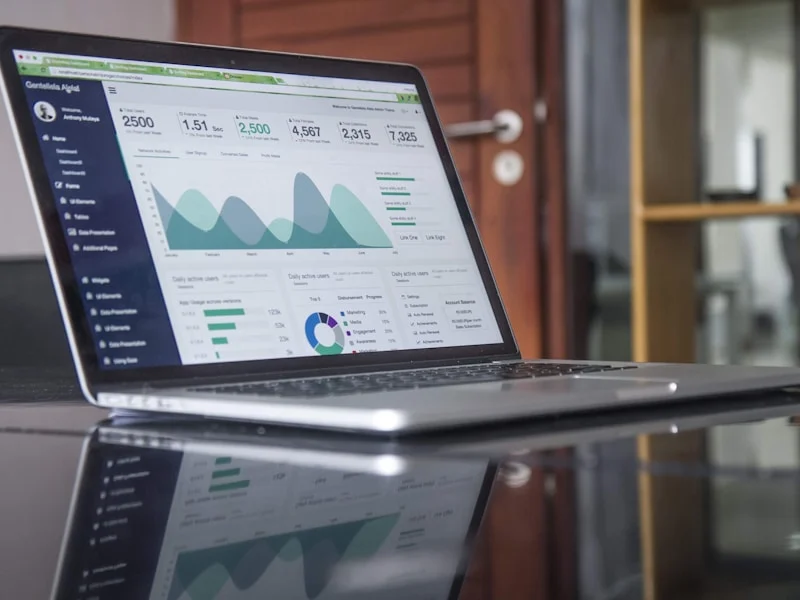
User Experience (UX) design is the cornerstone of successful digital products and services. In today’s competitive landscape, where users have countless options at their fingertips, exceptional UX design can be the difference between a thriving business and one that struggles to retain customers. This comprehensive guide explores the fundamental UX principles that drive conversions and create meaningful user experiences.
Understanding User-Centered Design
User-centered design puts the needs, goals, and behaviors of users at the center of the design process:
- Empathy – Understanding users’ emotions, motivations, and pain points
- Research – Gathering insights through user interviews, surveys, and analytics
- Iteration – Continuously refining designs based on user feedback
- Accessibility – Ensuring designs work for users with diverse abilities
The Psychology of User Behavior
Understanding psychological principles helps create more effective user experiences:
Cognitive Load Theory
Users have limited mental capacity for processing information. Effective UX design minimizes cognitive load by presenting information in digestible chunks and using familiar patterns.
Hick’s Law
The time it takes to make a decision increases with the number of choices available. Streamline decision-making by reducing options and guiding users toward desired actions.
Fitts’s Law
The time required to move to a target area is a function of the distance to the target and the size of the target. Design interactive elements that are appropriately sized and positioned.
Visual Hierarchy and Information Architecture
Establishing Clear Hierarchy
Use typography, color, spacing, and size to create visual hierarchy that guides users’ attention. Important elements should be more prominent than secondary information.
Logical Information Architecture
Organize content in a way that matches users’ mental models. Use clear navigation structures and intuitive categorization to help users find what they’re looking for.
Progressive Disclosure
Present information progressively, showing only what users need at each step. This reduces overwhelm and helps users focus on current tasks.
Navigation and Wayfinding
Intuitive Navigation Patterns
Use familiar navigation patterns like hamburger menus, breadcrumbs, and tab navigation. Consistency with established conventions reduces learning curve and improves usability.
Clear Signposting
Provide clear indicators of where users are in the system and how to navigate to other sections. Use visual cues like active states and progress indicators.
Search and Discovery
Implement robust search functionality and recommendation systems to help users discover content and products they might not find through navigation alone.
Mobile-First Design Approach
Responsive Design Principles
Design for mobile devices first, then scale up to larger screens. This ensures optimal experiences across all devices and screen sizes.
Touch-Friendly Interactions
Design interactive elements with appropriate touch targets (minimum 44px) and adequate spacing to prevent accidental taps.
Performance Optimization
Optimize for mobile performance by minimizing file sizes, using efficient loading strategies, and prioritizing critical content above the fold.
Conversion-Focused Design Elements
Call-to-Action (CTA) Optimization
Design compelling CTAs with clear, action-oriented language and contrasting colors. Place CTAs strategically where users are most likely to convert.
Form Design Best Practices
Minimize form fields, use inline validation, provide clear error messages, and offer progress indicators for multi-step forms.
Trust Signals
Include security badges, customer testimonials, reviews, and guarantees to build trust and reduce conversion barriers.
Accessibility and Inclusive Design
Web Content Accessibility Guidelines (WCAG)
Follow WCAG guidelines to ensure your designs are accessible to users with disabilities. This includes proper color contrast, keyboard navigation, and screen reader compatibility.
Universal Design Principles
Design for the widest possible range of users, including those with temporary disabilities, situational limitations, or different cultural backgrounds.
Testing with Diverse Users
Include users with different abilities, devices, and contexts in your testing process to identify accessibility barriers and usability issues.
Performance and Loading Experience
Perceived Performance
Optimize perceived performance through skeleton screens, progressive loading, and immediate feedback for user actions.
Core Web Vitals
Focus on Largest Contentful Paint (LCP), First Input Delay (FID), and Cumulative Layout Shift (CLS) to improve user experience and search rankings.
Offline Capabilities
Implement offline functionality for critical features, allowing users to continue their tasks even without internet connectivity.
Industry-Specific UX Considerations
E-commerce Platforms
Focus on product discovery, comparison tools, secure checkout processes, and personalized recommendations to drive sales and customer satisfaction.
Restaurant Websites
Prioritize menu browsing, reservation systems, location information, and mobile-optimized ordering experiences.
Car Rental Services
Emphasize easy booking processes, vehicle selection tools, transparent pricing, and customer support accessibility.
Professional Services
Highlight expertise, case studies, contact information, and clear service descriptions to build credibility and generate leads.
User Testing and Validation
Usability Testing Methods
Conduct regular usability tests with real users to identify pain points and validate design decisions. Use both moderated and unmoderated testing approaches.
A/B Testing and Optimization
Test different design variations to determine which elements drive better conversion rates and user engagement.
Analytics and User Feedback
Monitor user behavior through analytics tools and collect direct feedback through surveys and user interviews.
Emotional Design and Brand Experience
Designing for Emotions
Consider how your design makes users feel. Use color psychology, imagery, and micro-interactions to create positive emotional responses.
Brand Consistency
Ensure your UX design reflects your brand values and personality while maintaining consistency across all touchpoints.
Delightful Micro-Interactions
Add subtle animations and feedback that enhance the user experience without distracting from core functionality.
Future Trends in UX Design
Voice User Interfaces (VUI)
Design for voice interactions and conversational interfaces that provide hands-free access to information and services.
Augmented Reality (AR) Integration
Explore AR experiences that overlay digital information onto the physical world, particularly relevant for retail and real estate applications.
Personalization and AI
Implement AI-driven personalization that adapts interfaces and content based on individual user preferences and behavior patterns.
Measuring UX Success
Key Performance Indicators (KPIs)
Track metrics like conversion rates, task completion rates, user satisfaction scores, and time on task to measure UX effectiveness.
User Experience Metrics
Monitor metrics such as Net Promoter Score (NPS), Customer Effort Score (CES), and System Usability Scale (SUS) to gauge user satisfaction.
Business Impact
Connect UX improvements to business outcomes like increased revenue, reduced support costs, and improved customer retention.
Creating Exceptional User Experiences
At 4D.ma, we specialize in creating user experiences that not only look great but also drive real business results. Our UX design process combines user research, iterative design, and data-driven optimization to create experiences that users love and businesses benefit from.
Our UX Design Services Include:
- User research and persona development
- Information architecture and wireframing
- Interactive prototyping and testing
- Visual design and brand integration
- Usability testing and optimization
The Path to Better UX
“Great UX design is invisible—users don’t notice it because everything just works as expected. But when UX is poor, users notice immediately and often don’t return.”
Creating exceptional user experiences requires ongoing commitment to understanding users, testing assumptions, and continuously improving based on feedback and data. Start with user research, focus on core user journeys, and iterate based on real user behavior.
Ready to transform your user experience and drive better conversions? Contact 4D.ma today to discuss how we can help you create user experiences that delight customers and achieve your business goals.